Wondering what separates a nice listing from a standout high-end listing in McKinney? In a market where buyers often have time to compare homes, details matter more than ever. If you want your home to feel polished, easy to tour, and worth a strong look from serious buyers, the right prep can make a meaningful difference. Let’s dive in.
Why prep matters in McKinney
McKinney remains a market where presentation carries real weight. Redfin reported a median sale price of about $509,737 for the three months ending April 2026, with homes averaging 54 days on market. For a higher-end listing, that means buyers may see several options before making a decision.
When buyers have time to compare, your home needs to create a strong first impression online and in person. The goal is not to over-improve or erase the home’s personality. It is to reduce distractions, highlight what makes the property special, and make the showing experience feel effortless.
Focus on features buyers notice
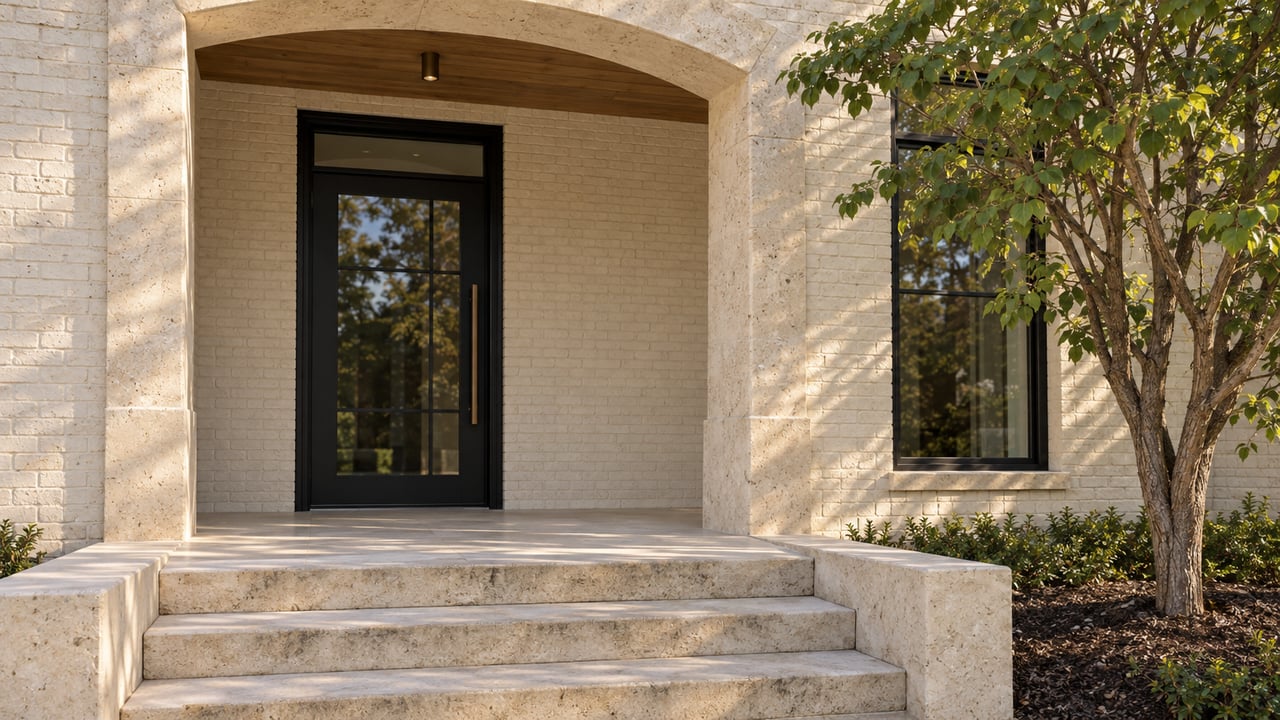
For McKinney sellers, broad remodels are not always the smartest first move. Redfin’s local home-trends data points to features with strong sale-to-list performance, including large bedrooms, bedroom suites, private entrances, mature trees, custom cabinetry, modern kitchens, outdoor kitchens, and single-level layouts.
That gives you a practical roadmap. Instead of taking on a major renovation, focus on making these existing features easier to see and appreciate. A luxury listing often performs best when the home’s strongest assets are clear, clean, and thoughtfully presented.
Highlight kitchen details
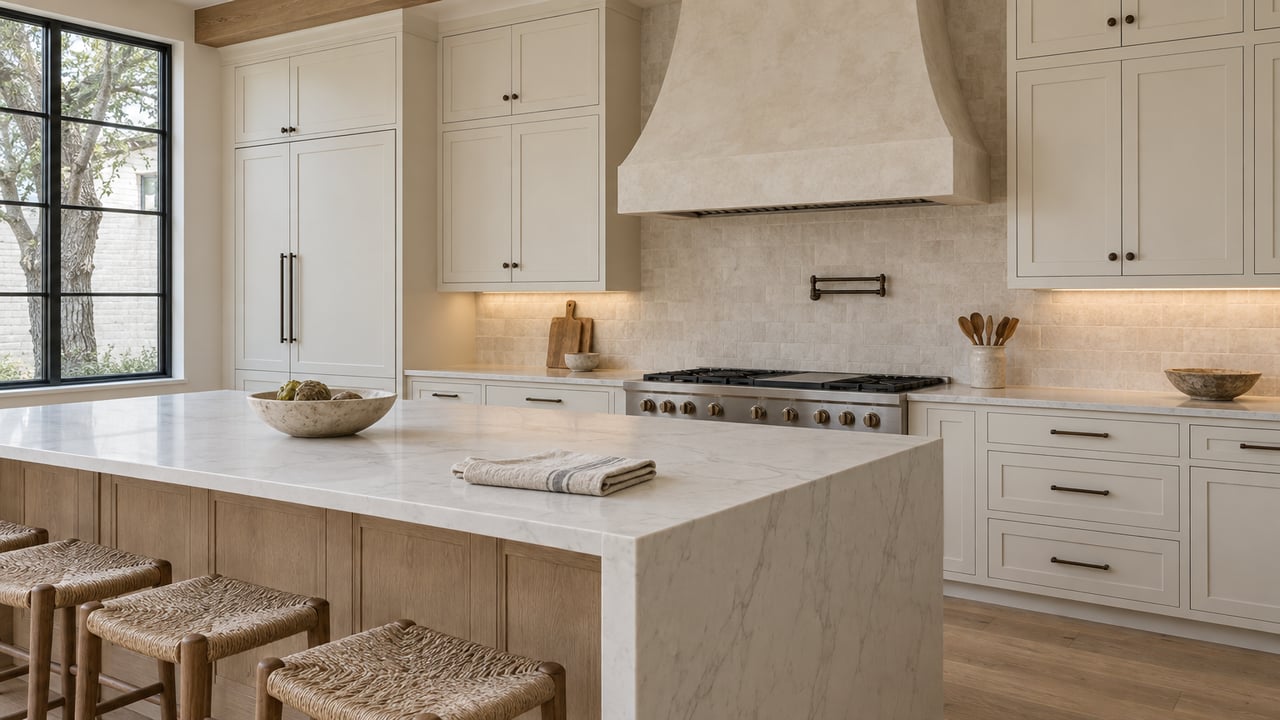
If your home has custom cabinetry or a modern kitchen, make those details the star. Clear counters, remove small appliances, and keep styling minimal so buyers can notice storage, finishes, and workspace.
If you have statement lighting, quality hardware, or a large island, those elements should read clearly in photos. A kitchen does not need to feel empty, but it should feel spacious and refined.
Showcase bedroom suites and large rooms
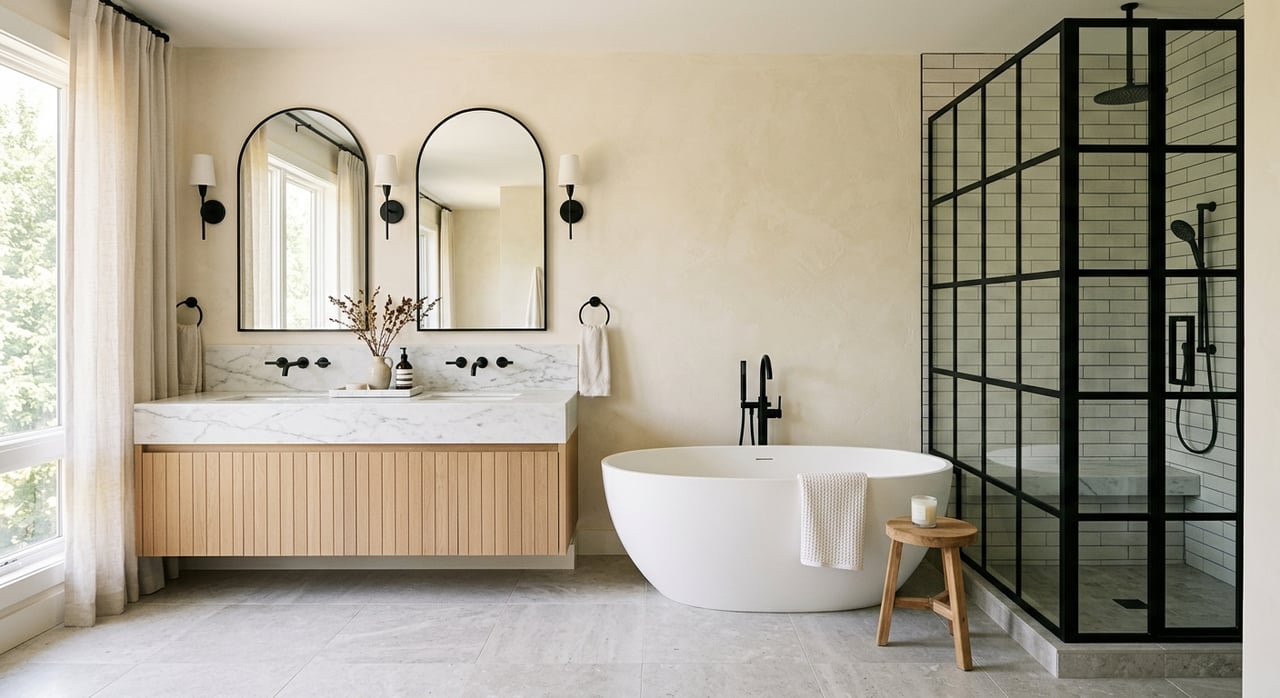
Large bedrooms and bedroom suites can lose impact if they feel crowded. Pull back extra furniture, simplify bedding, and create clear walking paths so scale is easy to understand.
If a room has a sitting area, private entrance, or flexible use, stage it in a way that feels natural and easy to read. Buyers should immediately understand the comfort and function of the space.
Bring outdoor living forward
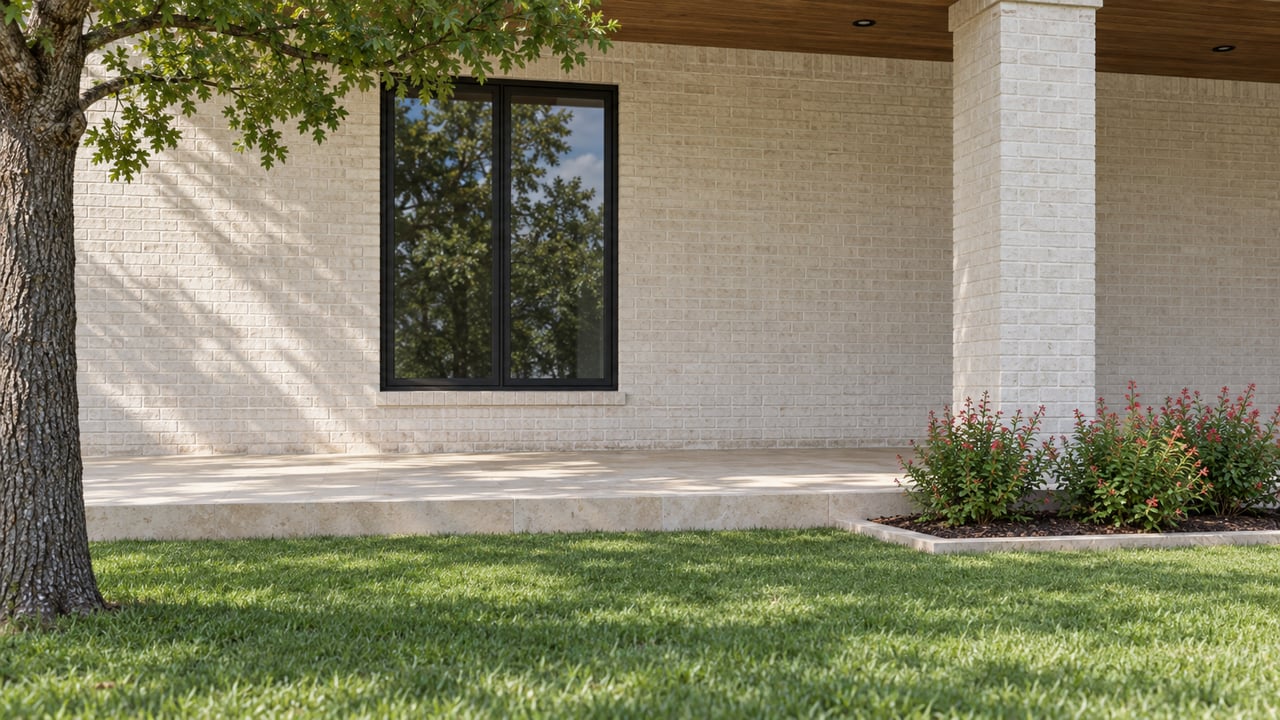
McKinney buyers also respond to outdoor kitchens, patios, pools, landscaped yards, and mature trees. If your home offers outdoor living, treat it as part of the main listing story rather than an afterthought.
Clean hard surfaces, freshen cushions, skim the pool if needed, and remove anything that makes the space feel busy. A covered patio or outdoor kitchen should feel ready to enjoy the same day a buyer moves in.
Start with repairs, not remodels
Before you spend money, start with the basics buyers notice quickly. NAR defines staging broadly to include cleaning, decluttering, repairing, depersonalizing, and updating a home so buyers can imagine living there. That framing is especially helpful for high-end sellers because it keeps the focus on reducing visual friction.
Small unfinished issues can weaken a luxury presentation. A sticking door, chipped trim, cracked caulk line, loose cabinet pull, or burnt-out light bulb may seem minor, but together they can make a home feel less cared for.
Choose updates that are easy to finish
McKinney’s local permit guidance is helpful here. The city notes that finish work like painting, papering, tile, carpeting and flooring, cabinets, countertops, and similar cosmetic work generally does not require permits. By contrast, work involving items like roofing, doors and windows, electrical, gas, water heaters, pools, foundation repair, retaining walls, generators, and alterations can be permit-sensitive.
That makes the strategy fairly clear. Prioritize visible, well-documented improvements that can be completed cleanly, and avoid starting a project that could slow your timeline or raise permit questions right before listing.
Use licensed contractors
If you do hire help, McKinney advises homeowners to use licensed contractors, check references and reviews, and get bids in writing. This matters for any home, but especially for a higher-end property where buyers may pay close attention to workmanship and records.
A polished result is important, but so is documentation. Keep invoices, receipts, and any permit records in one place so your listing is supported by a clean paper trail.
Stage for how buyers actually shop
A luxury listing usually gets its first showing online. NAR’s 2025 staging research found that photos were much or more important to 73% of buyers’ agents, while 57% said the same about traditional physical staging, 48% about videos, and 43% about virtual tours. Sellers’ agents reported that photos were much or more important to 88% of clients.
That means your prep should support both the camera and the in-person showing. Physical staging still matters, especially in key rooms, and it should work hand in hand with strong photography.
Prioritize the most important rooms
According to NAR, the rooms most commonly staged are the living room, primary bedroom, dining room, and kitchen. If you are deciding where to spend time and energy, start there.
These spaces often shape a buyer’s overall impression of the home. When they feel calm, bright, and proportional, the rest of the property tends to show better too.
Keep styling truthful
Luxury buyers expect beautiful presentation, but they also expect accuracy. Realtor.com advises against over-edited listing photos that make a home look different in person.
Minor brightening and color correction are reasonable. What you want to avoid is a polished online look that creates disappointment at the showing. Strong marketing should build trust, not questions.
Use a simple pre-listing checklist
Before photography and showings, a few basics can go a long way. NAR’s seller and showing checklists recommend:
- Clearing counters and major surfaces
- Deep cleaning the home
- Cleaning windows and screens
- Replacing burnt-out bulbs
- Opening blinds and turning on lights
- Neutralizing odors
- Removing pet evidence
- Hiding jewelry, valuables, electronics, and medication
These are simple tasks, but they support the clean, elevated look that higher-end buyers expect. They also help rooms feel brighter, larger, and easier to photograph.
Make showings easy and low-stress
Showing access matters, especially in a market where homes may sit long enough for buyers to compare options. The easier your home is to tour, the more momentum you can maintain once the listing goes live.
NAR’s showing guidance recommends taking pets with you if possible, or confining them if needed, and leaving the home during showings. Buyers usually feel more comfortable when they can move through the property freely and take their time.
Create a calm showing routine
A strong routine helps your home stay ready without daily chaos. Open blinds, turn on lights, tidy pathways, and let in fresh air when appropriate.
For luxury homes, this matters even more because buyers often notice small details. The home should feel easy to walk through, easy to understand, and easy to picture as their own.
Prepare your paperwork too
Pre-listing prep is not just visual. In Texas, the paperwork side matters as well, especially for older or more complex homes.
TREC says the Seller’s Disclosure Notice is required for previously occupied single-family residences, and the current form addresses material facts and physical condition. The May 2026 update includes questions about current insurance coverage, private roads, aboveground storage tanks over 500 gallons, and conservation easements.
Gather records before you list
If you have completed repairs or updates, organize the records before your home goes live. That can include contractor invoices, warranties, permit documents where applicable, and any other useful maintenance information.
If your home was built before 1978, federal law also requires disclosure of known lead-based paint information and any available records before sale, along with the required pamphlet and an opportunity for buyers to test. If that applies to your property, assemble that file early.
Think polished, not overdone
The best high-end listings in McKinney usually do not feel overly staged or heavily remodeled just for the market. They feel well maintained, thoughtfully edited, and easy to enjoy.
That is the sweet spot you want. Clean lines, clear spaces, strong lighting, honest photography, and organized documentation all work together to support a confident launch.
When your home’s best features are easy to see and the details behind the scenes are equally buttoned up, you give buyers fewer reasons to hesitate. If you’re preparing for a luxury sale in McKinney and want a strategic plan for presentation, pricing, and launch timing, Nancy Floyd can help you position your home with care and confidence.
FAQs
What matters most when preparing a high-end home for sale in McKinney?
- The biggest priorities are clean presentation, completed minor repairs, strong photography, easy-to-see standout features, and organized records for repairs, permits, and disclosures.
Which McKinney home features should a luxury seller emphasize?
- Local trend data points to features such as large bedrooms, bedroom suites, private entrances, mature trees, custom cabinetry, modern kitchens, outdoor kitchens, and single-level layouts.
What repairs in McKinney may require permits before listing?
- McKinney identifies permit-sensitive work in areas such as roofing, doors and windows, electrical, gas and meter work, pools, water heaters, foundation repair, retaining walls, generators, and certain alterations.
Which rooms should a seller stage before listing a McKinney home?
- NAR’s 2025 research says the most commonly staged rooms are the living room, primary bedroom, dining room, and kitchen.
What disclosures should Texas sellers review before listing a home?
- For previously occupied single-family homes, TREC says sellers generally need the Seller’s Disclosure Notice, and older homes built before 1978 may also require lead-based paint disclosures if known information or records exist.