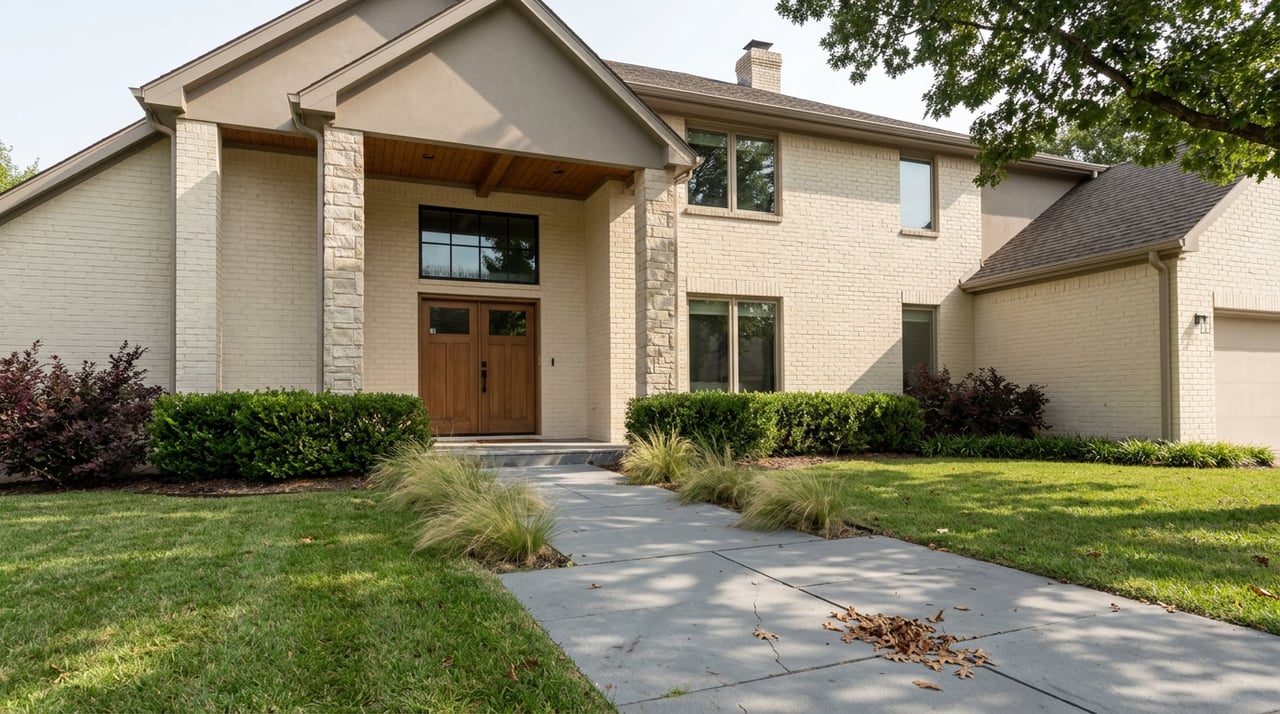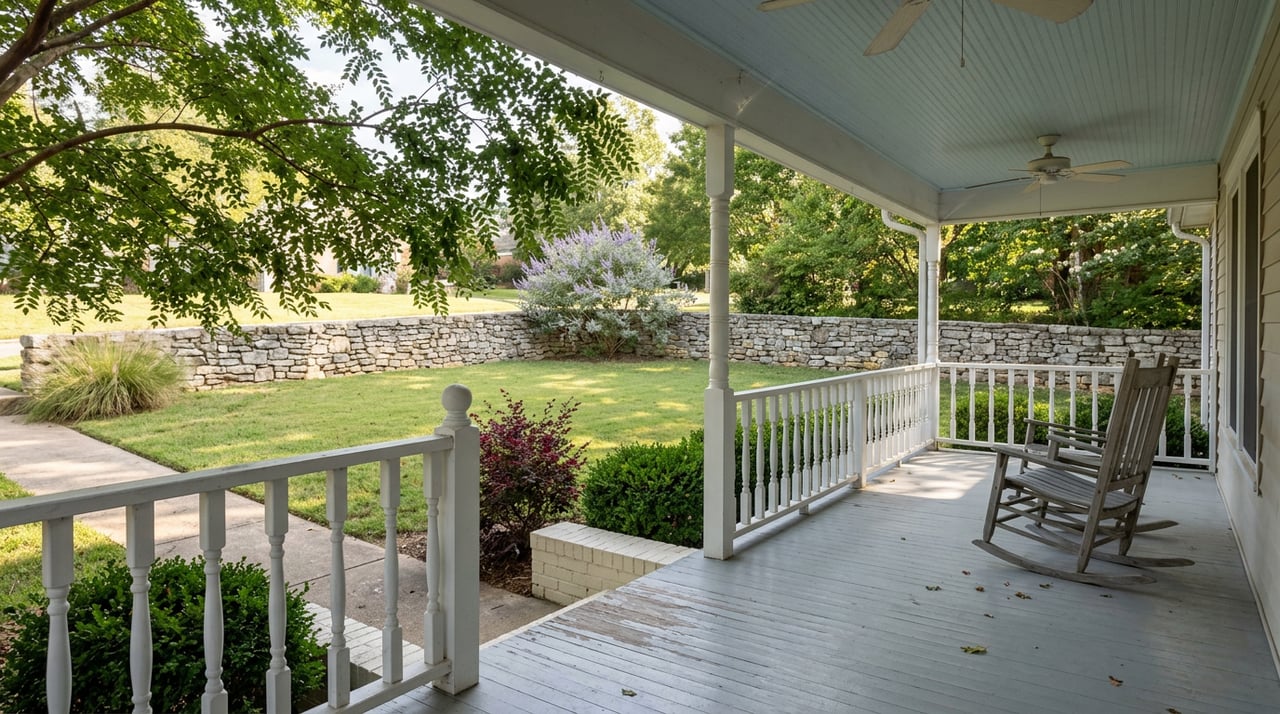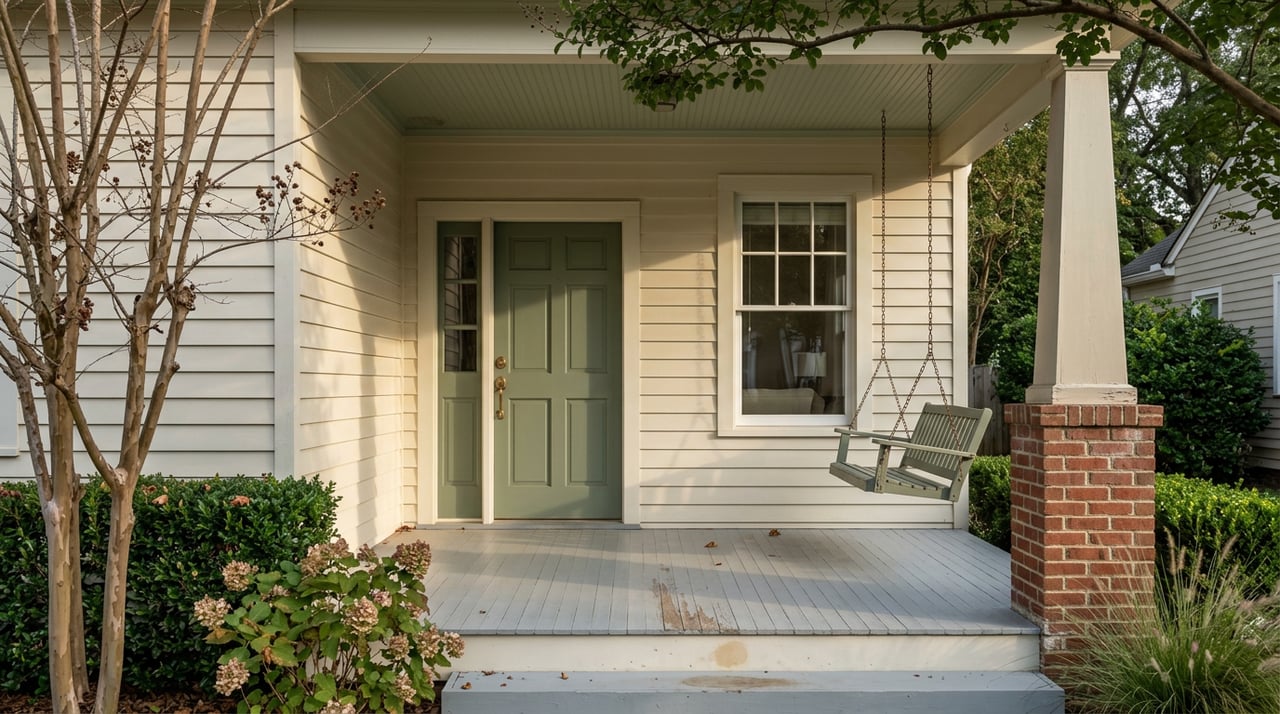
On March 5, 2026, the McKinney Historic Preservation Advisory Board took up two items back to back. In the first, homeowners Jeff and Summer Lindsay asked for a historic marker on their property at 210 S. Bradley Street. The board approved it unanimously, 7 to 0. In the second, Michael Curran asked for a Level II tax exemption under the city's Historic Neighborhood Improvement Zone program for his home on Brook Lane. That passed unanimously too.
Same room, same board, same nine minutes of agenda time. One homeowner walked away with a plaque. The other walked away with a property tax break. Both walked away with the same underlying fact: whatever the board approves for their house does not stay with them personally. It attaches to the deed. If either of them sells next year, the buyer inherits the marker, the exemption, and every restriction that came with it, whether or not it ever came up during the showing.
That is the piece most buyer conversations about McKinney's historic neighborhoods skip. The charm gets top billing. The mechanism underneath it, the fact that historic designation in McKinney is a legal and financial position tied to the property rather than a personality trait of the current owner, rarely gets mentioned until an inspection period is already ticking.
The Same Rule Cuts Two Ways
Everything inside McKinney's "H" Historic Overlay District runs through the Certificate of Appropriateness process, administered by the city's Historic Preservation Office and, for larger requests, the Historic Preservation Advisory Board itself. A COA is required before any exterior change to a designated or contributing property, and that includes new construction on a vacant historic lot, not just additions to existing homes.
What actually triggers a COA versus what a homeowner can do without one is narrower than most buyers assume:
| Requires a Certificate of Appropriateness | Does not require one |
|---|---|
| Replacing siding, windows, or roofing with a different material or profile | Repairing or replacing materials in-kind, like cedar shingle for cedar shingle |
| Changing paint color on a commercial-district building | Changing paint color on a residential-district building (technically unregulated, though the city recommends against painting unpainted brick or stone) |
| Building a fence taller than 4 feet in the front yard, or one with less than 50 percent transparency | A fence at or under 6 feet 8 inches on rear and interior side yards, McKinney's stated maximum there |
| Any addition, demolition, or new construction visible from a public right of way | Ordinary maintenance that doesn't change materials or design |
Many of these applications get resolved by staff without ever reaching the full board. But if a request does need to go before the Historic Preservation Advisory Board, the completed application has to arrive at least two weeks ahead of the scheduled meeting, and the board only meets once a month. A buyer who assumes a fence swap or a window replacement is a weekend project can find themselves waiting six weeks for a decision that a non-historic property down the street wouldn't need at all.
The Money Side of the Same Ordinance
The restriction and the incentive come from the same piece of city legislation, which is why they showed up on the same night in March. McKinney's Historic Neighborhood Improvement Zone program offers ad valorem tax exemptions to owners who invest in restoring or rehabilitating a qualifying property, with the work measured against the Secretary of the Interior's Standards for Rehabilitation. The ordinance sets three tiers of exemption based on the scale of verified investment, and the city caps the total it will exempt citywide at $500,000 in any given year, distributed first come, first served as applications land.
The detail that matters most to a buyer: these exemptions are transferable upon sale. If the seller has an active HNIZ exemption running on a 15-year schedule, that exemption doesn't reset when the title changes hands, it continues under the terms already in place. That can mean real, ongoing savings for a buyer who never lifted a hammer. It also means a buyer needs to ask the Historic Preservation Office directly whether an exemption is attached, because it won't necessarily show up as a line item in a standard listing.
The flip side carries its own risk. The city can suspend an HNIZ exemption if a property is altered without proper approval or allowed to fall into disrepair, and while the owner gets a one-year written notice to fix it, a buyer who inherits a property mid-suspension inherits that clock too.
McKinney's preservation program itself got a credibility upgrade last year. In May 2025, the city was officially designated a Certified Local Government by the National Park Service and the Texas Historical Commission, a status that recognizes the program meets nationally recognized preservation standards and gives the city expanded access to technical support and grant funding for future preservation work. It's a signal that the framework governing all of this isn't informal or likely to loosen.
Why Homes Sit a Little Longer Without Selling for Less
As of July 2026, homes in the neighborhood generally referred to as Historical McKinney carried a median price of roughly $698,500, with active listings ranging from about $400,000 to $1.85 million and typical time on market around 54 days. McKinney as a whole was moving faster that same period, with homes citywide typically under contract closer to 42 days.
Read on its own, a 12-day gap looks like softer demand. It isn't. The gap is procedural, not emotional. A COA review adds real calendar time to any transaction where the buyer's plans include exterior changes, and buyers in this district are more likely than average to have exterior plans, since much of the inventory is early-1900s construction that hasn't been touched in decades. Lenders financing renovation work sometimes condition on repairs that themselves require historic commission sign-off before a contractor can start, which stretches the timeline further on the financing side, not the demand side.
None of that shows up as reduced pricing. It shows up as a longer runway between contract and close. For a seller, that means setting expectations early with a buyer's agent about what kind of approval timeline their renovation plans might trigger. For a buyer, it means the extra weeks aren't a red flag about the property. They're the cost of the same designation that's protecting the character making the block desirable in the first place.
Before You Write the Offer
A few questions are worth resolving before, not after, the option period starts:
- Confirm the property's exact designation status. Ask the Historic Preservation Office directly, or check the city's Historic District Map, whether the home is individually designated, contributing to the district, or outside the overlay entirely. These carry different levels of restriction.
- Ask whether an HNIZ exemption is active and, if so, what tier, what year of the schedule it's in, and whether the required annual certification has been current.
- If your plans include anything visible from the street, get a read from the Historic Preservation Office on whether it needs staff-level approval or a full board hearing before you finalize a renovation budget or timeline.
- Confirm historic designation is disclosed on the Seller's Disclosure Notice. It qualifies as a material fact because it limits what a new owner can do to the exterior, and it should be addressed directly rather than assumed.
- If a fence is part of your plans, check the front yard versus side and rear yard height rules before you price the project. They are not the same limit.
A Few Questions Worth Asking Directly
Does historic designation have to be disclosed when a home sells? Yes. It affects a buyer's ability to modify the property, which makes it a material fact for the Seller's Disclosure Notice, and it's worth confirming again through the title process before closing.
Can a seller list a historic home as-is without restoring anything first? Yes. The preservation guidelines govern proposed changes going forward. They don't obligate a current owner to bring a property up to any particular standard before putting it on the market.
Does a tax exemption on the property automatically transfer to a new owner? Under the HNIZ ordinance, an approved exemption continues on its existing schedule when a property sells, rather than resetting. Confirm the specific terms and remaining years directly with the Historic Preservation Office before closing.
Buying or selling inside McKinney's historic overlay rewards the kind of preparation that happens before an offer, not after an inspection. If you're weighing a home in this district, or trying to understand what a designation on a property you already own actually means for a future sale, Nancy Floyd can walk through the specifics with you. Schedule a meeting to talk through your situation before you're working against a deadline.